In Florida, a broken air conditioner is more than an inconvenience. Heat and humidity build quickly indoors, and a home can become uncomfortable within hours. Residents often wonder who to call, what to say and how long they should expect to wait. A clear, prompt report is the best way to get the system looked at, and it also helps your property manager explain the problem to the technician and schedule access.
The basic approach is simple: follow your lease's maintenance instructions, document what the AC is doing, and submit the request promptly. The sections below explain how to do each of these well.
Describe the problem accurately
A specific report helps a technician arrive prepared and may save a second visit. Before you submit a request, note the following:
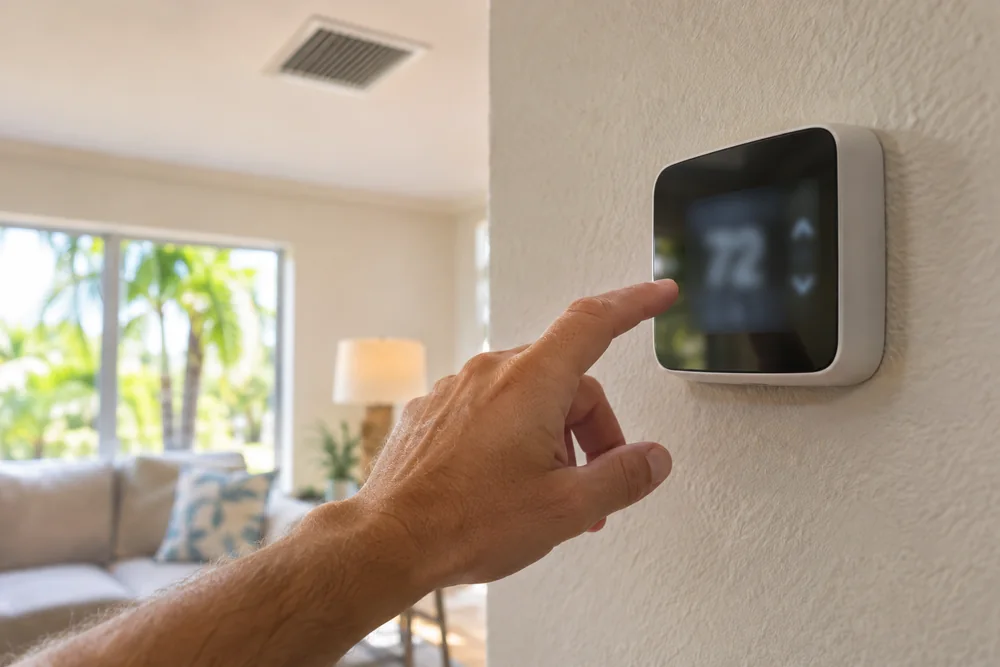
- Indoor temperature: the reading on your thermostat, if available, and the temperature you have set
- When it started: the day and time you first noticed the problem, and whether it came on suddenly or gradually
- Fan behavior: whether the fan runs, and whether air from the vents feels warm, cool or weak
- Water: any dripping, pooling near the indoor unit or ice on the lines
- Noises or smells: buzzing, grinding, clicking or a burning smell
- Recent outages: storms, power flickers or a tripped breaker in the past few days
If it is safe, take photos or a short video of any visible issues, such as water near the unit or the thermostat display. Report any recent outages as well, because a power surge or a tripped breaker can explain a system that suddenly stops.
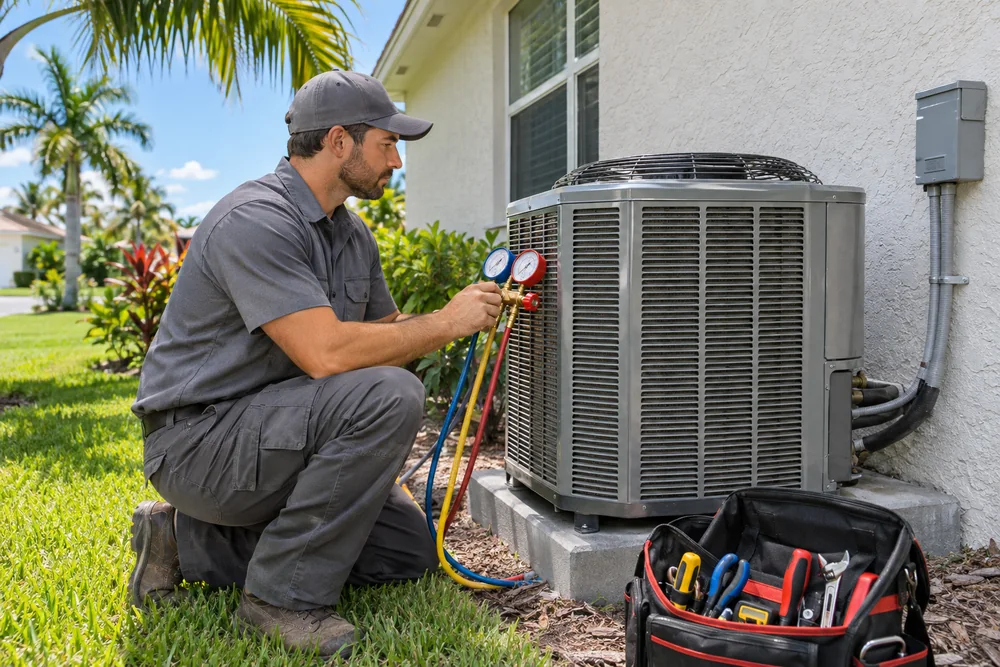
Avoid opening electrical components, removing panels or attempting repairs on the system. Handling an AC unit can expose you to electrical and refrigerant hazards, and a repair attempt may complicate the technician's work. Basic checks that your lease or manager allows, such as confirming the thermostat is set to cool, are reasonable. Beyond that, leave the work to the technician.
Use the right contact for the situation
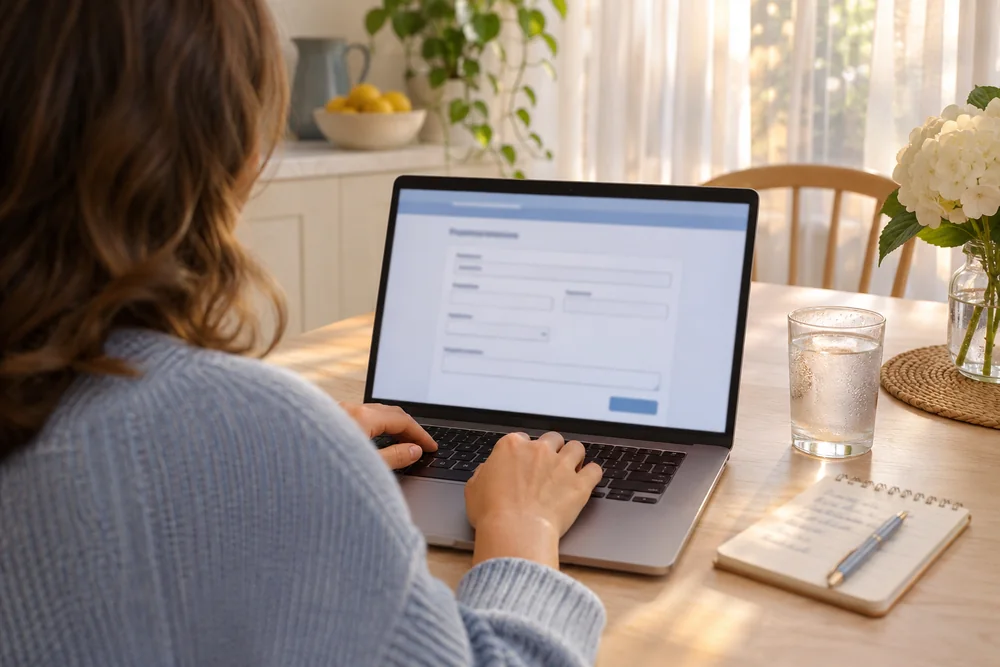
How you report the problem depends on how urgent it is. For routine work, use the verified Rentec Direct portal or the method specified in your lease. A portal request creates a timestamped record that you and the manager can both refer to later. If you are unsure whether a link or phone number is genuine, find it in your lease or welcome packet instead of relying on a message you received.
For urgent issues, follow the instructions in your lease. These often include an after-hours phone line for problems that cannot wait until the next business day. Call 911 from a safe location for any immediate danger, such as smoke, a burning smell, sparks or a fire. Do not wait on a maintenance line when someone's safety is at risk.
Update your request if the situation changes. Tell the manager if water appears, if the issue gets worse or if your access details change. A short update is better than a new, separate request, because it keeps the history in one place.
During a long wait, take simple steps to stay comfortable and safe. Close blinds on sunny windows, use fans if you have them, drink water and use a cooler room. If anyone in the home is very young, elderly or has a medical condition that makes heat dangerous, mention that in your report and consider arranging a cooler place to stay until the system is repaired.
Make the access handoff easy
Once the request is in, the next challenge is getting the technician into the home. A few details can prevent a missed appointment:
- Provide a reliable way to contact you, such as a phone number you answer during the day
- Clarify pet arrangements if relevant, including whether a dog needs to be secured or crated
- Check whether the manager needs you home for the visit or whether the technician may enter while you are away
- Note any gate codes, parking instructions or building access rules the technician should know
Florida law sets rules for access to a rental. For routine repairs, the statute generally calls for at least 24 hours' notice and a reasonable time between 7:30 a.m. and 8 p.m. Other circumstances, including emergencies, have separate rules. Because the details depend on the situation and the wording of your lease, review the statute listed below, and ask your manager if you have questions about how it applies to your appointment.
When a technician is on the way, keep a clear path to the thermostat, the indoor unit and any closet or attic access. Moving furniture or clutter ahead of time saves time and reduces the chance of a second trip.
Follow up in the same thread
Keep the original report and the manager's updates together in one thread, whether that is the portal, an email chain or both. A single record makes it easier to see what was reported, what was promised and what happened. Save any photos, appointment confirmations and messages.
If the appointment does not resolve the issue, note what changed after the visit. For example, the system may cool but still run constantly, the airflow may be weak, or water may have returned. Add that information to the same request instead of starting over. If the technician says parts are needed or a follow-up appointment is required, review your lease and ask your manager for the next steps and an estimated timeline.
Putting it together
When the AC stops working, four habits help: describe the problem accurately, use the right contact for the situation, make access easy and follow up in the same thread. None of these steps guarantees an instant repair, because parts, scheduling and weather can all affect timing. They do give your manager the information needed to act and give you a clear record if questions come up later.
Every lease is different, so rely on the maintenance instructions in your own documents. If you are unsure about a legal question, consider asking an attorney or a local tenant resource.
Official resources
This article is general information, not legal advice.
See resident resources