Renting a home in Florida moves quickly. A listing goes live, applications arrive within days, and a lease is often signed within a week. That pace makes it easy to pay a fee before checking the basics or to arrive on move-in day without knowing the full amount due. A little preparation protects your money and your time, and it lets you compare rentals on the same basis instead of by the advertised rent alone.
Before paying an application fee, check that the home is still available, ask for written screening criteria, and confirm the verified application link. Prepare for the full move-in amount early. This checklist walks through the steps from application to the first month in your new home.
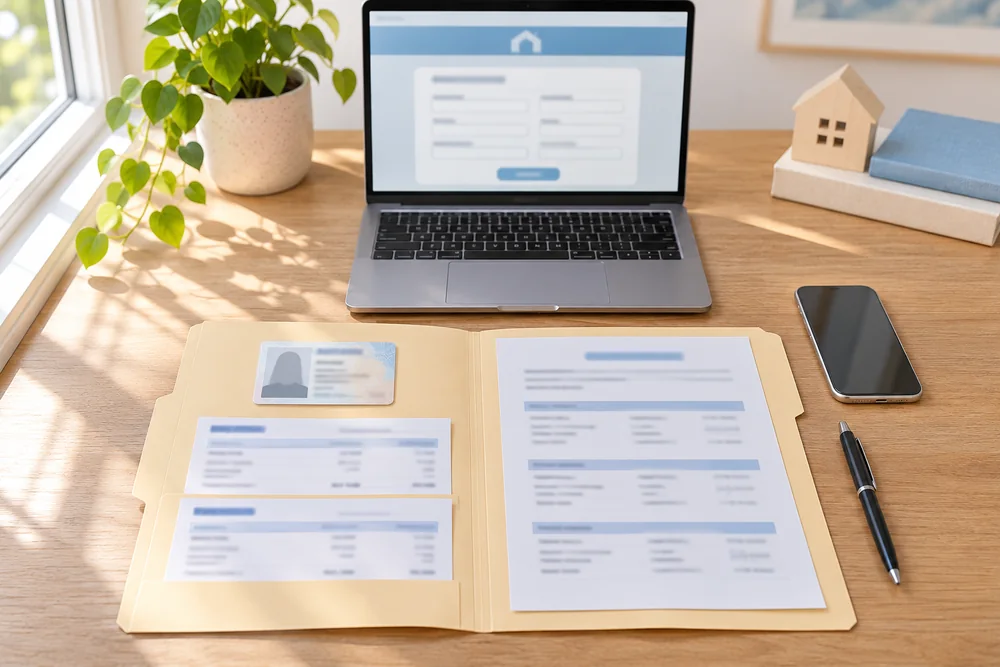
Confirm the listing and gather documents
Start by confirming the home is real, available and offered by the company you think you are dealing with. Check the address and contact details on the company's official listings page rather than relying on a social media post or a forwarded message. Fake listings and look-alike websites are a known problem in rental markets, and they often use a low price to create urgency.
Then ask these questions before you apply:
- Who needs to apply? Every adult occupant usually does, but confirm the rule.
- How is income verified? Ask which documents are accepted, such as pay stubs, offer letters or bank statements.
- What are the written screening criteria? These typically cover income, credit, rental history and background review.
- Does an association have a separate process? In some communities, an HOA or condo association has its own approval step and fee.
- Are the fees refundable? Confirm what the application fee covers and whether any part is returned if the home is rented to someone else.
Collect the documents specified in the listing and use the secure application link provided by the company. Avoid sending ID, Social Security numbers or bank details by regular email or text message. If you are unsure whether a link is genuine, call the company's published phone number and ask.
Ask for an itemized move-in breakdown
The advertised rent is only one part of what you pay to get the keys. Ask the company for an itemized breakdown and list every amount in one worksheet. A complete worksheet usually includes:
- First month's rent, and any prorated amount if you move in mid-month
- Security deposit
- One-time fees, such as an administrative or pet fee
- Any approved recurring fees
- Renter's insurance, if the lease requires it
- Utility setup costs and deposits
Ask which payment methods are accepted and when each amount is due. A move-in payment due the day before you receive the keys is very different from one due at lease signing. When you total each home this way, a $1,900 rental with high fees can cost more up front than a $2,000 rental with fewer of them.
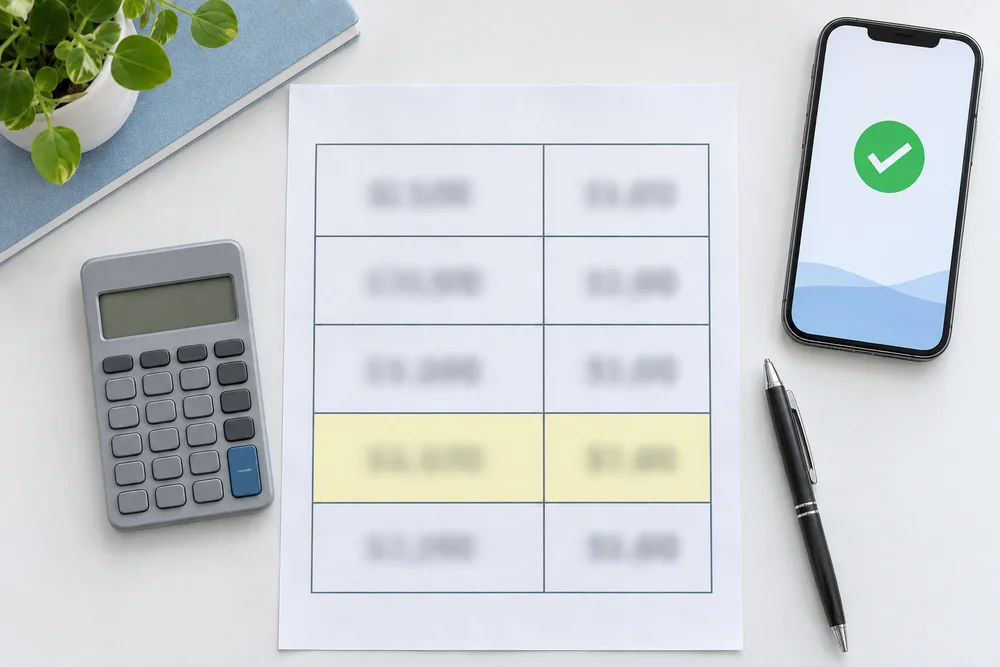
Payment safety deserves its own step. If someone unexpectedly changes payment instructions, such as a new bank account, a different payee or a request to pay by gift card or an app, stop and call the published company number before paying. A legitimate company can confirm its own instructions quickly.
Read the lease and record condition
Read the lease before you sign it, and ask about anything that is unclear. Pay particular attention to these points:
- Utilities and exterior duties: which utilities you set up, and who handles lawn care, pool service or pest control
- Payment due date: the day rent is due, the grace period, if any, and late fees
- Parking: garage, driveway, assigned spaces or guest rules
- Maintenance requests: how to submit a request and how to report an urgent problem
For a lease of one year or more, ask for the separate Florida flood disclosure if it has not been provided. Florida law addresses this disclosure, and it gives you information about the property's flood history before you commit to the lease. The statute is listed in the resources below.
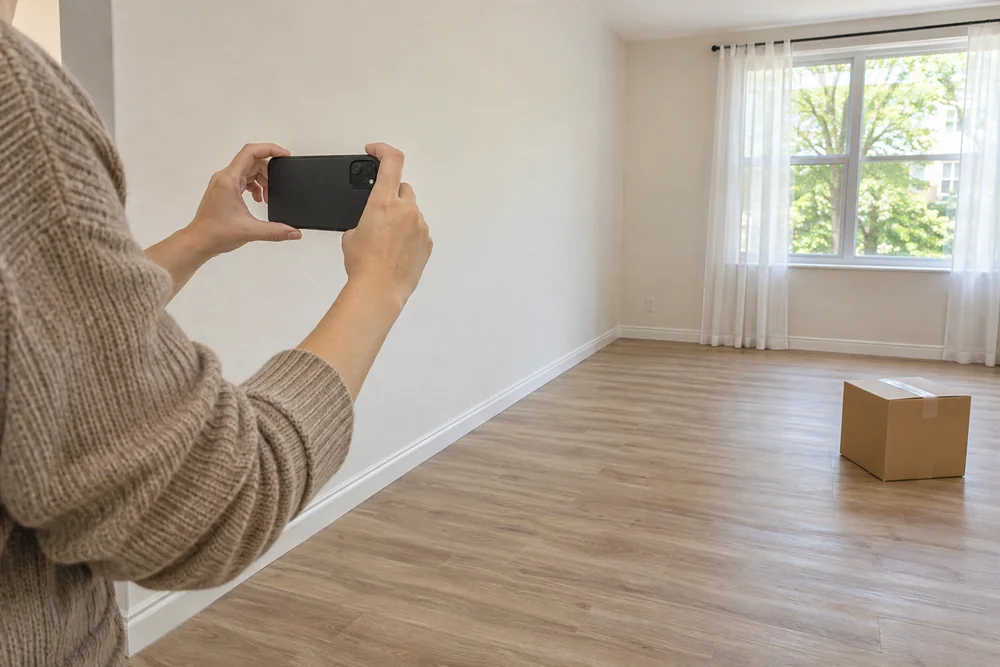
Then record the home's condition. Walk through every room, and photograph or video walls, floors, appliances, windows, fixtures and any existing damage. Submit your move-in photos and condition notes the way your lease or welcome packet directs, and keep a copy for yourself. This record helps ensure you are not held responsible for damage that was already there when you moved in.
Keep key details accessible
After move-in, organize what you will need later. Save a copy of these items where you can find them quickly:
- Your signed lease and any addenda
- Move-in receipts and proof of every payment
- Portal login instructions for rent and maintenance requests
- The lease's emergency contact for after-hours problems
Note how to give future notices, such as a renewal decision or a move-out notice, since the lease may specify the method and timing. If you need an accommodation, ask the company for its process and use the designated private channel for documentation. HUD publishes guidance on assistance animals that explains how these requests are generally handled.
Putting it together
A smooth Florida move-in comes down to four habits: confirm the listing and the screening criteria before paying any fee, total the full move-in cost in one worksheet, read the lease and record the home's condition, and keep your documents where you can find them. These steps take an hour or two, and they reduce the chance of paying the wrong party, being surprised by a fee or disputing damage you did not cause.
Every lease and community is different, so rely on the documents you are given and confirm details with the company. If you are unsure about a legal question, consider asking an attorney or a local tenant resource.
Official resources
This article is general information, not legal advice.
See resident resources