Buying a rental that already has a tenant can look like a shortcut. The home is occupied, rent is arriving and the first month's income may start the day you close. That convenience comes with a trade-off: you inherit a lease you did not write, a resident you have not met and a record that someone else kept. If the paperwork is incomplete or the numbers do not match, you take on the problem along with the property.
The best approach is to underwrite the lease you are inheriting, then evaluate what the home might rent for later. Before closing, verify the documents, money, condition and handoff instructions for the rental as it is today. The sections below explain what to check in each area.
Verify the current income and obligations
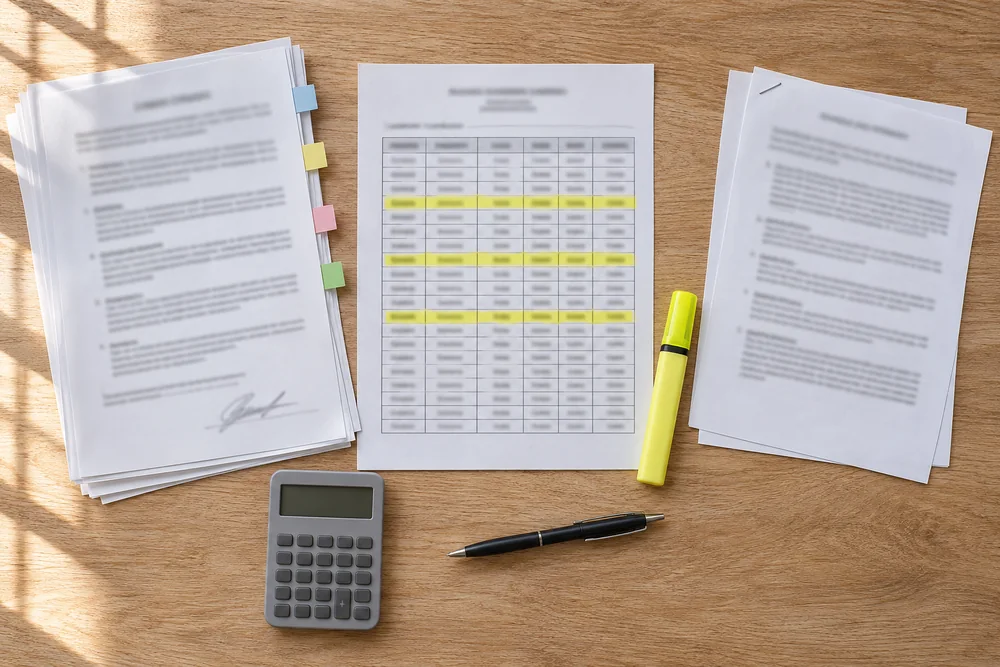
Start with the paperwork that defines what the tenant owes and what you will owe the tenant. Request these items from the seller:
- The signed lease and every amendment or addendum
- The rent ledger and current balance
- Deposit and advance rent accounting
- Any concessions, such as free rent or reduced rent, and the dates they apply
- Notices sent to or received from the tenant
- Renewal options or other rights that continue after closing
- Association approval documents, if the community requires them
Check that the advertised rent agrees with the contract and with recent payments. A listing may state a rent that the lease does not support, or a tenant may be paying a different amount because of a concession or an informal arrangement. Compare the signed lease, the ledger and the bank deposits or payment records for the same months. If you see missing months or unexplained charges, ask the seller to explain them in writing before you move forward.
Pay attention to the lease end date as well. A lease expiring within a few weeks of closing changes the picture, because you may be dealing with a renewal, a rent change or a turnover almost immediately.
Confirm the condition and cost of ownership
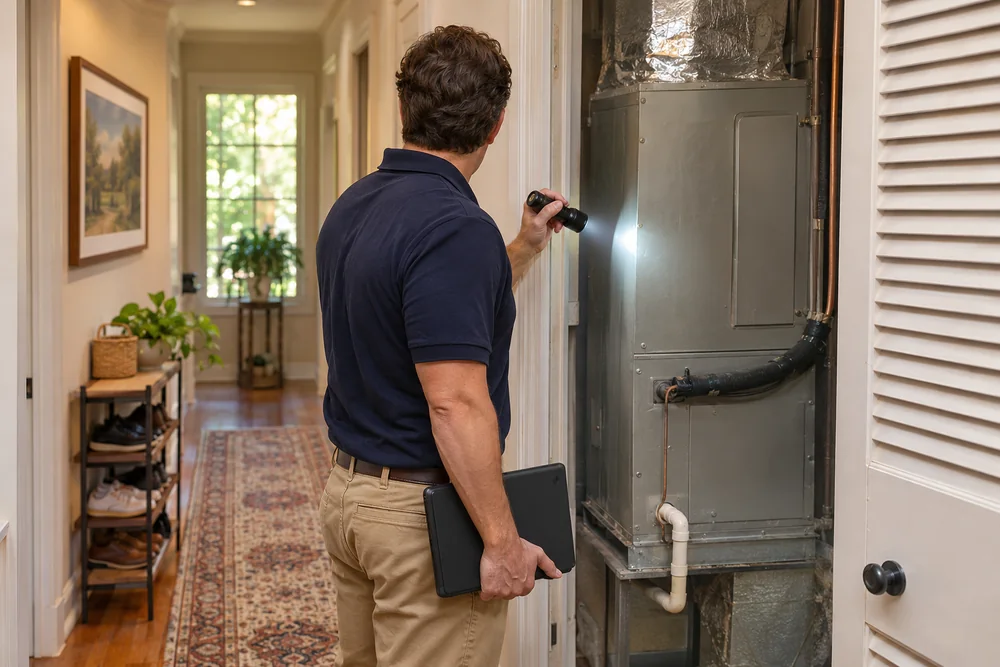
The lease tells you about income. The property tells you about cost. Coordinate a lawful inspection, which means arranging access in line with the lease and Florida's access rules, usually with advance notice to the resident and the seller's cooperation. An inspection at an inconvenient time or without proper notice can strain the relationship with the tenant before you own the home.
Then collect the history that an inspection cannot show:
- Open maintenance requests: what the tenant has reported and what remains unresolved
- Roof and HVAC history: the age of each system and records of repairs or replacements
- Invoices: receipts for recent work, to confirm what was done and by whom
- Recurring service agreements: lawn, pool, pest control and similar contracts that may carry over
Check HOA obligations, parcel flood information and insurance quotes for that address. Dues, special assessments and rental restrictions can change what the property earns. Flood zone and roof age can change insurance cost and availability, and a quote for the specific address is more reliable than an estimate. Use independent professionals for questions outside your expertise, such as a licensed inspector for structural and system questions, an insurance agent for coverage and an attorney for the lease.
Set written instructions for closing and management
A tenant-occupied closing involves more than the usual transfer of title. Someone has to handle rent for the closing month, the deposit and what the resident is told. Work with your closing team and counsel on these points:
- Rent prorations: how the closing month's rent is divided between you and the seller
- Deposit records and funds: how deposit and advance rent records and funds will be transferred and documented
- Tenant notices: what must be sent to the resident and when
Florida law addresses how deposit money and advance rent are held and what happens when ownership changes, so review Florida Statutes § 83.49, listed below, with your attorney. Do not assume the numbers in the ledger match the funds that actually exist. Ask who holds the money, in what type of account, and how it will reach you.
Agree on who informs residents about approved payment and maintenance channels. Plan the transition before sending instructions, and give residents a number they can verify independently. Payment-redirection scams are a known risk in rentals, and a resident who receives an unexpected message about where to send rent may reasonably be cautious. A short written notice, signed by both the seller and the new owner or manager, helps the resident confirm it is genuine.

Separate current rent from future upside
Buyers often justify a purchase by what the home could rent for later. That figure may be reasonable, but it should not be mixed with what the home produces today. Build one scenario using the current lease and another for a later renewal or turnover.
The current-lease scenario uses the contract rent, the lease end date and the costs of ownership you have verified. The later scenario uses a realistic market rent based on recent comparable leases, and it should include the costs that come with a renewal or turnover:
- A vacancy period between tenants
- Cleaning, repairs and any updates needed to rent at the higher figure
- Leasing fees and marketing costs
- Possible concessions to attract an applicant
A property with strong long-term potential still needs to cover your near-term obligations. If the current rent does not support the mortgage, taxes, insurance and reserves, the plan depends on the later scenario working out, and that is a larger risk than it looks.
Putting it together
Buying a tenant-occupied rental comes down to four habits: verify the current income and obligations, confirm the condition and cost of ownership, set written instructions for closing and management, and keep current rent separate from future upside. Each step replaces an assumption with a document, a quote or a written agreement.
Every purchase is different, so confirm the details with your attorney, closing agent, lender and insurance agent. If you are considering a tenant-occupied property in Volusia, Seminole or the surrounding counties, request the lease and ledger first. They will tell you whether the income matches the listing and what questions to ask next.
Official resources
This article is general information, not legal, financial or tax advice.
Request a free rental evaluation